A Filmmaker’s Guide
to Shooting in Turkey
Our company works with local professionals to make sure you
are getting the right help throughout media production.
Permits in Turkey: What You Need to Know
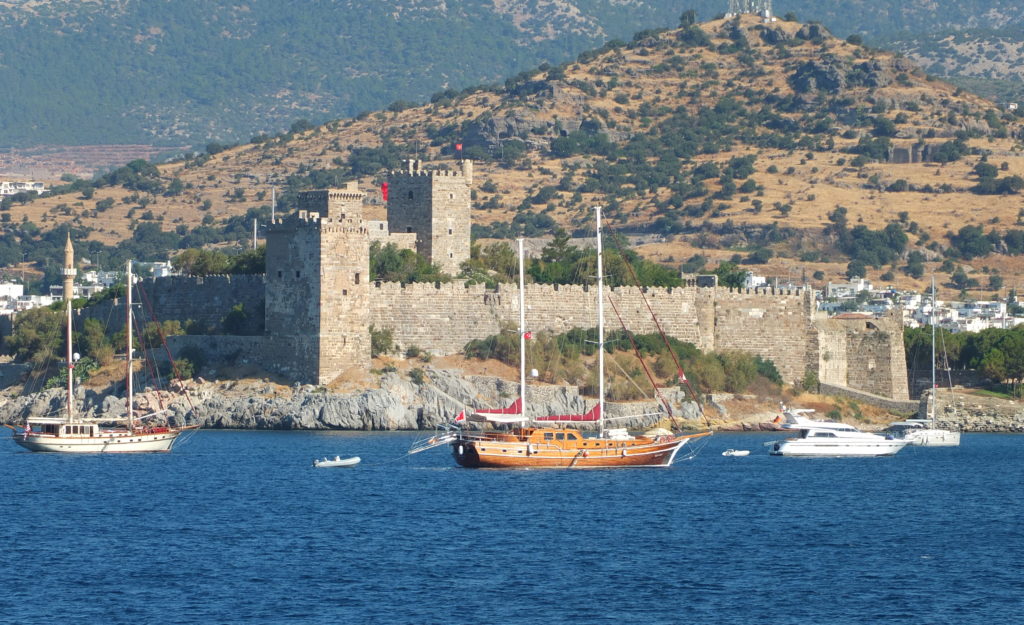
Many YouTubers or other social media influencers come to beautiful Turkey to shoot footage for their accounts. If you’re one of these and your crew is three people or less, then you’re in luck—you don’t need a general film permit!
However, that’s not the case for all other filmmakers and international production companies; You’ll have to organise your paperwork and apply to the Ministry of Culture and Tourism for a general permit.
You’ll need to provide a lot of details as part of the application, too. This includes:
- A comprehensive synopsis
- Crew passports
- Equipment list
- Details of your Turkish production/fixer partner
Additionally, it can take up to 45 days for the permits to come through, so we advise applying well in advance of the shoot dates.
Once you get your “general permit”, you’ll then need to get sign off on particular permits from local governorates and municipalities. Requirements for these applications will differ depending on the location and the specifics of the shoot there.
While you won’t have to pay for your general film permit, if you’re hoping to shoot in historic areas, museums or other such sites, it is likely a cost will be charged.
Timing Your Turkey Film Production around the Weather
The weather in Turkey changes with the seasons, with the mild spring months of April to June and autumn’s September and October, offering some of the best outdoor filming conditions. June to September is Turkey’s summer and brings with it hot, sunny weather, which is particularly lovely if you’re shooting along the Adriatic Coast.
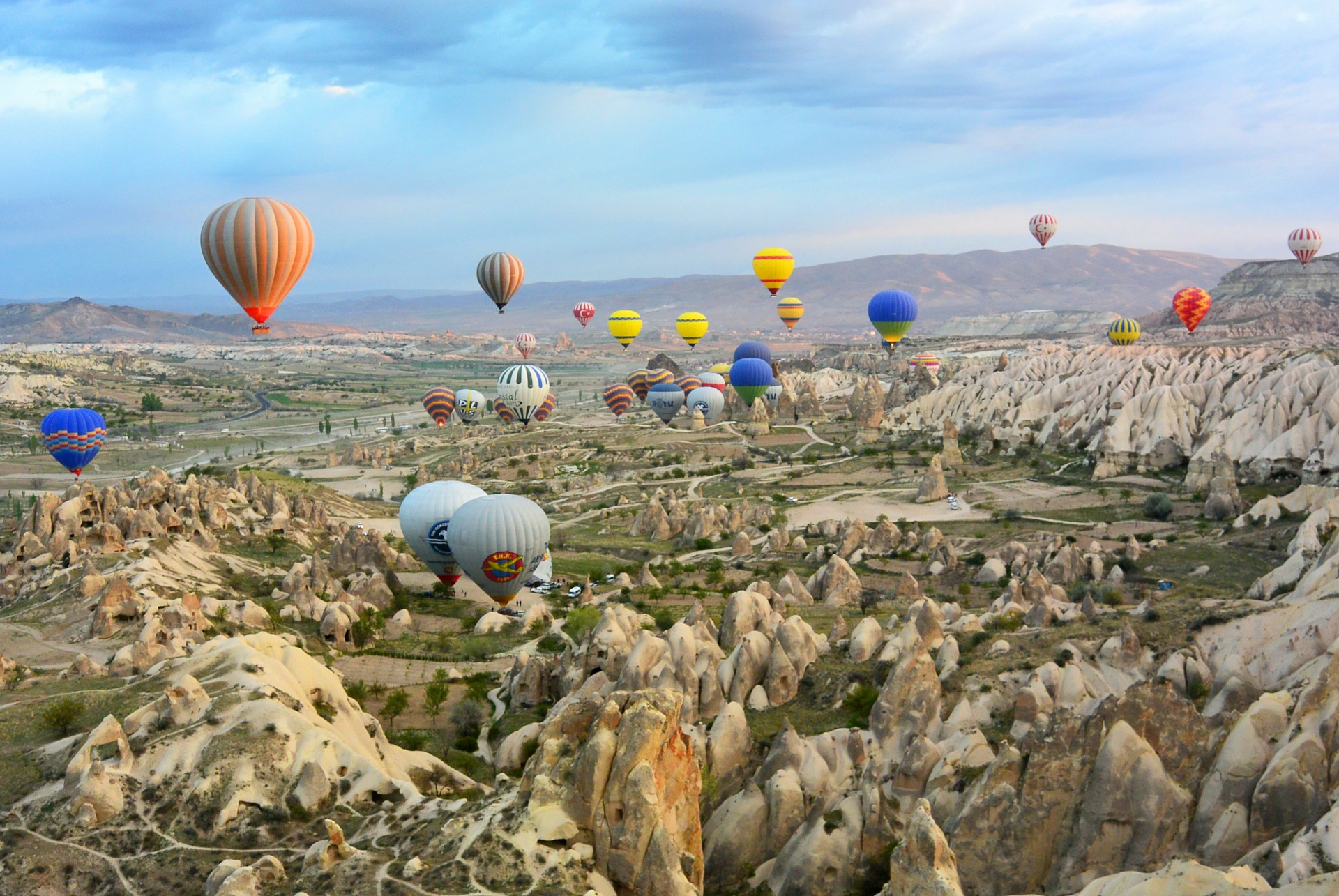
Hoping for snowy street or mountain scenes? Don’t worry—Turkey can provide! Cappadocia in the Central Anatolia region can be striking in winter, as can the capital city, Istanbul.
Planning Filming Equipment Rental & Local Crew Logistics
There is no problem bringing your own filming equipment to Turkey if that’s your preference. However, Turkey has its own very active film and TV industry, so you can be sure of finding all the top-tier audiovisual gear you’ll need in the country too.
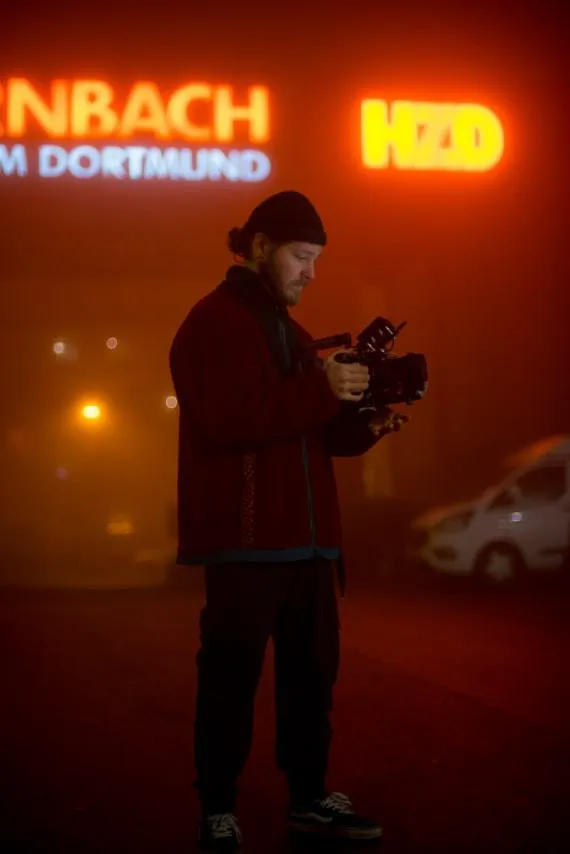
Working with an in-the-know production support company like Turkey Fixers will give you the confidence of knowing your equipment needs will be met. We’ll also secure English-speaking crews to match your budget if you require.
Frequently Asked Questions
Is it an ATA carnet country?
Yes, it is.
Is it safe for me and my team to film there?
Absolutely.
Do I need a visa or a work visa to film there?
If you and your team’s film shoot will take less than three months, then you don’t need a work visa.
Do I need a local company to film or get visas there?
If you’re a journalist who only needs a journalist visa, then you don’t need a local company to get that for you. All other permits will necessitate partnering with a Turkish film fixer though.
Do I need a permit for drones?
Foreign drones aren’t permitted in Turkey, so it’s not possible to get a permit for them. If you do need drone work on your video, you will need to engage a local drone operator who already has the legal permits.
Is there a cash rebate/tax exemption or any other fiscal advantage?
Yes, Turkey offers a generous cash rebate of up to 30% on eligible expenses for international film and television projects. There is a minimum spend threshold depending on whether your project is a documentary, TV series or feature film. You must also be using the services of a Turkish co-producer or film fixer.
Can I shoot in a national park and, if so, under what circumstances?
Filming in national parks is possible as long as you have the requisite film permits.
Working with Turkey Fixers
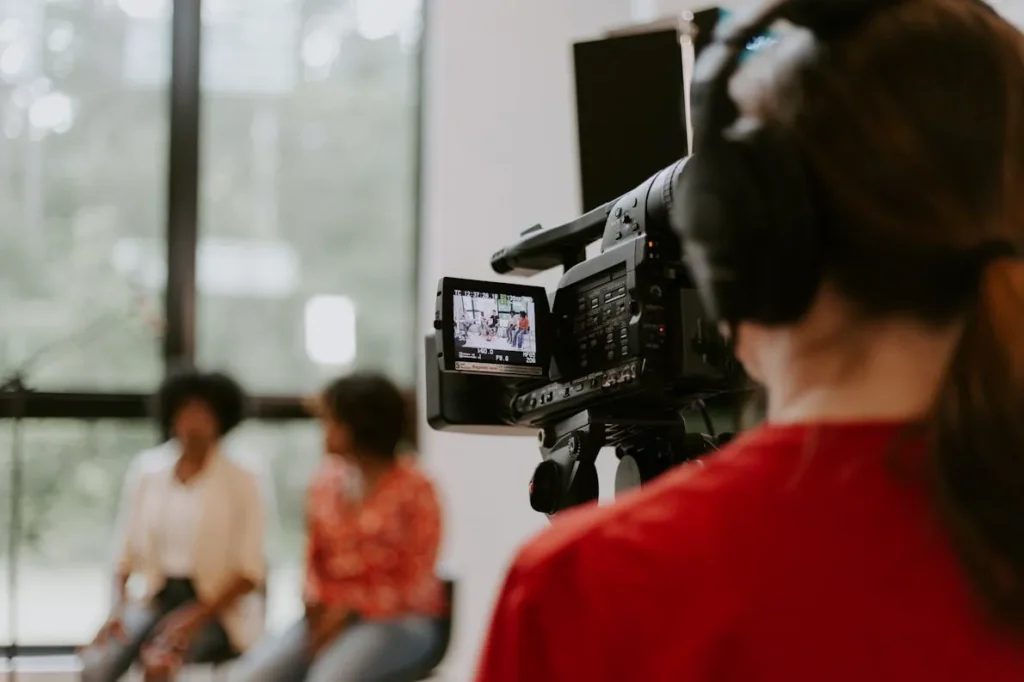
We’re proud of the comprehensive support we’ve given many international film, TV, and corporate productions here in Turkey. Some of our proudest projects include handling casting, location permits, transportation and translation services for UNICEF’s “Raising Parents” film project; Taking on production services and location management for the British Channel 5 episode “Chris Tarrant Extreme Railways: The Eastern Express”, and working on kit management and logistics for National Geographic’s “One Strange Rock” series.